
Few things are as frustrating as walking up to your vehicle after a morning surf at Mona Vale Beach or a quick grocery run along Pittwater Road, pressing your key fob, and getting absolutely no response. Inconveniences when driving are not limited to major mechanical faults or an engine failing to turn over. Aside from core mechanical maintenance like regular car servicing, key fobs are often completely overlooked until they suddenly stop working.
In modern push-button start vehicles, a flat key fob battery is actually the single most frequent reason a driver gets stuck when pressing the engine start button. However, in other cases, the issue might stem from internal component damage, lost signal pairing, or even a problem with your vehicle’s main battery system.
Below, the team at Peninsula Auto Clinic breaks down why key fobs fail, how to troubleshoot them, and how to get moving again when your remote refuses to cooperate.
Why Do We Use Electronic Key Fobs?
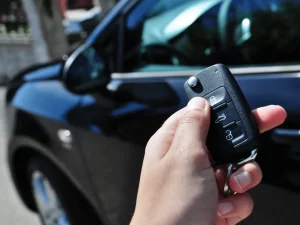 Car key remote fobs offer exceptional everyday convenience. Beyond simply locking and unlocking doors from a distance, modern key fobs integrate with transponder security systems, sound panic alarms, open power tailgates, and send immobiliser signals to enable keyless ignition.
When everything works smoothly, you barely give it a second thought. But because these small devices combine radio frequency transmitters, fragile circuit boards, and miniature button cell batteries into a pocket-sized plastic housing, they are prone to everyday wear and tear.
Common Reasons Your Key Fob Has Stopped Working
If your remote is suddenly unresponsive, one of the following issues is usually to blame:
- A Drained or Flat Coin-Cell Battery: The absolute most frequent culprit. Most fobs rely on category-four button cell batteries (such as CR2032 or CR2025). Depending on usage, these usually last between 1 and 3 years before dropping voltage.
- Broken or Corroded Internal Contacts: Key fobs take a beating. Dropping your keys onto concrete driveways or exposing them to salty coastal air and moisture around Northern Beaches car parks can corrode internal terminals or snap the delicate soldered joints holding the battery contact spring in place.
- Misaligned or Sticky Buttons: Heavy daily use can cause the rubber pads or internal tactile switches beneath the buttons to shift out of place, preventing contact with the circuit board.
- Loss of Signal Programming: Occasionally, a key fob drops its digital handshake or radio pairing with the vehicle receiver. This often happens after the remote battery dies completely or during an unexpected voltage drop in the vehicle itself.
- A Drained Vehicle Battery: If your key fob light flashes but the car does not respond at all, the issue may actually be a flat main 12-volt battery under the bonnet rather than the remote control itself. If you suspect this is the case, an accurate diagnosis or car battery replacement will quickly resolve the issue.
Checking the simple mechanical components first often saves both time and money before assuming an expensive auto-electrician or full dealership key replacement is necessary. Salty coastal air around local driveways frequently leads to minor terminal oxidation or loose internal battery clips that are straightforward to fix.
How to Troubleshoot a Faulty Key Remote
Before jumping straight to buying a costly replacement remote, work through these simple troubleshooting steps:
Step 1: Test with Your Spare Key
If you have a spare key fob at home in Warriewood or Newport, try using it. If the spare unlocks and starts the car without issue, you immediately know the fault lies within the first key fob and not your vehicle’s central locking or receiver system.
Step 2: Inspect and Replace the Fob Battery
Open the key fob casing carefully. Most remotes feature a small notch along the seam where you can gently twist a flathead screwdriver or coin to separate the halves. Inspect the coin battery surface for the CR code number, verify correct positive (+) alignment, and swap in a fresh unit. You can pick up replacement button batteries from local service stations, supermarkets, or automotive stockists.
Step 3: Check for Physical Internal Damage
With the casing open, inspect the tiny spring metal terminals. If they look dull or green from oxidation, gently clean them with a swab. Check if any buttons are visibly jammed or if the battery holder has lifted off the green circuit board.
Can You Still Drive Your Car with a Flat Key Fob?
Yes, in almost all modern vehicles, manufacturers build in a physical fallback mechanism so you are never completely stranded.
- Unlocking the Door: Look closely at your electronic key fob. Most designs feature a small release switch or slide mechanism that hides a traditional physical emergency key inside the casing. Look under your car door handle for a small cap or keyhole slot to manually unlock the door.
- Starting a Push-Button Ignition: Even if the fob battery is too weak to send a long-range radio signal, the passive transponder chip inside the key still works via short-range induction. Hold the physical key fob directly against the engine “Start/Stop” button (or place it in the designated key slot inside the centre console, as detailed in your owner’s manual) and press the button using the fob itself.
When to Seek Professional Automotive Assistance
If you have swapped the battery and checked for basic damage, but the remote still refuses to lock the doors or initiate the ignition, the device may require professional reprogramming or replacement. Complex electrical faults can also point to issues with your vehicle’s immobiliser antenna or central locking solenoids, which fall under comprehensive car repairs.
If you are experiencing ongoing key fob problems, central locking glitches, or start-up issues around the Northern Beaches, visit our Mona Vale workshop. Operating locally for over three decades, our workshop delivers honest, reliable advice to keep your vehicle electrical systems running smoothly.
Need Help with Your Car’s Electricals or Central Locking?
For friendly, expert advice on any auto repair or maintenance issue, call the local team at Peninsula Auto Clinic on 02 9999 2553 or book a service online through our contact page today.