Your vehicle’s braking system is easily its most critical safety feature. Whether you are navigating heavy traffic along Barrenjoey Road or making sudden stops near local beach car parks, your brakes must operate at peak responsiveness every single time you press the pedal. Understanding how your braking system works and recognising signs of wear ensures your vehicle remains safe and reliable across all coastal driving conditions with help from our Mona Vale workshop.
Driving across Mona Vale and the surrounding Northern Beaches introduces unique challenges for braking systems. Stop-and-start commutes on Pittwater Road, steep coastal inclines, and humid, salty beach air accelerate wear on friction materials while promoting rust buildup on brake rotors and callipers.
Key Components of a Modern Braking System
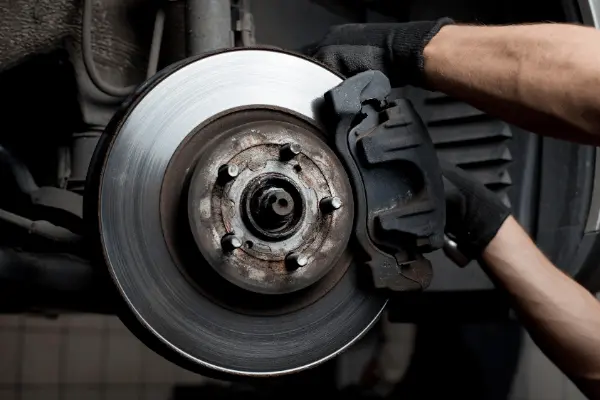
To keep your vehicle stopping smoothly, several key components must work together seamlessly under extreme pressure and heat:
- Brake Pads: Pushed against the turning rotor to create friction and slow the vehicle down. Pads naturally wear down over time and require regular replacement.
- Brake Rotors (Discs): Metal discs attached to the wheel hub that spin with the tyres. Rotors endure intense thermal stress and can develop heat cracks or uneven surfaces over time.
- Callipers: Hydraulic clamps housing the brake pads that compress them firmly against the rotor surface when you press the pedal.
- Brake Fluid: A hydraulic fluid that transfers force from the brake pedal directly to the callipers. Over time, brake fluid absorbs moisture, lowering its boiling point and degrading performance.
Warning Signs Your Brakes Need Immediate Attention
Brake degradation often happens gradually, but your vehicle usually provides subtle warning signs before complete failure occurs. Be on the lookout for these indicators, and consider scheduling a dedicated brake service if you notice any of the following:
- High-Pitched Squealing or Grinding: A high-pitched squeal indicates worn brake pad wear indicators, while a metallic grinding noise means the friction material is entirely gone, causing metal-on-metal rotor damage.
- Spongy or Soft Brake Pedal: A pedal that feels mushy or presses all the way to the floor suggests air trapped in the hydraulic lines or moisture-contaminated fluid.
- Steering Wheel Shudder Under Braking: Pulsing or shuddering through the steering wheel when slowing down from higher speeds points to warped or unevenly worn brake rotors.
- Vehicle Pulling to One Side: If your car veers left or right while braking, you may have a sticking calliper piston or uneven pad wear across your axle.
Real Insights on Coastal Brake Wear
Local environmental factors directly impact how long brake components last. Nick Wellburn, who brings 16 years of hands-on experience in complex mechanical rebuilds to Peninsula Auto Clinic, notes how coastal conditions influence wear rates:
“Salty air near ocean spots like Elanora or Avalon causes surface corrosion on brake discs far faster than inland environments. When cars sit idle near the beach, rust pitting builds up on rotors, leading to premature pad wear and unpleasant brake noise.”
How Regular Maintenance Prevents Costly Repairs
Catching minor brake issues early prevents expensive secondary damage to rotors and callipers. Including a comprehensive brake check as part of your regular car service guarantees that pad thickness, rotor runout, and fluid quality are thoroughly tested before safety is compromised.
For drivers commuting regularly through Palm Beach or tackling steep hills across the peninsula, maintaining fresh hydraulic fluid and quality brake friction materials prevents brake fade during heavy usage. Combining braking checks with a broader car repair evaluation ensures your steering, suspension, and driveline remain perfectly balanced.
Book Professional Brake Maintenance at Peninsula Auto Clinic
Trading in Mona Vale since 1994, our award-winning team at Peninsula Auto Clinic brings over 30 years of trusted experience to drivers right across the Northern Beaches. We stock premium, high-performance brake components and use precision machining tools to keep your vehicle stopping safely every time.
If your brakes are squeaking, feeling soft, or due for a routine safety check, call our friendly team on (02) 9999 2553 or visit our contact page to book your service today.