Your vehicle’s transmission is one of the most complex mechanical assemblies under the bonnet. Responsible for transferring power from the engine directly to the driving wheels, it operates under high hydraulic pressure and friction. When a transmission begins to slip, hesitate, or leak, catching those initial warning signs quickly can mean the difference between a simple fluid service and an expensive complete replacement.
Driving conditions around Mona Vale and the Northern Beaches place significant stress on automatic gearboxes. Creeping through heavy stop-and-start traffic along Pittwater Road generates high internal fluid heat, while hauling heavy loads up steep coastal inclines causes additional clutch wear. Understanding how your transmission behaves under load helps you address minor faults before they leave you stranded on the side of the road.
1. Slipping Gears or Unexpected Neutral Drops
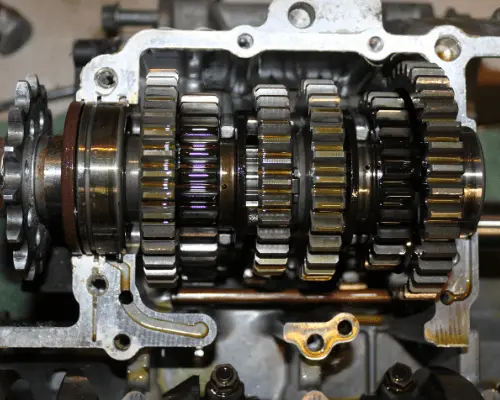
When an automatic transmission operates correctly, gear shifts occur smoothly and predictably according to your speed and engine revs. If your transmission slips, you will notice the engine revving high (RPM spiking) without a corresponding increase in forward momentum. In severe cases, the transmission may unexpectedly drop into neutral while cruising.
Transmission slipping is frequently caused by low hydraulic fluid pressure, worn clutch friction plates, or failing solenoid valves inside the valve body. Ignoring a slipping transmission allows excessive heat to build up, rapidly destroying remaining internal clutches.
2. Delayed or Harsh Gear Engagement
A healthy gearbox should engage immediately when you move the gear selector from Park to Drive or Reverse. If there is a noticeable pause of several seconds followed by a harsh clunk or sudden lurch, your transmission is struggling to build adequate hydraulic pressure.
Delayed engagement usually indicates degraded transmission fluid or worn internal seals that can no longer hold pressure when cold, something drivers often notice first on cool mornings. Flushing out old, oxidised fluid and replacing the internal filter often restores smooth pressure delivery if caught early enough.
3. Burning Smells or Dark Transmission Fluid
Fresh automatic transmission fluid (ATF) is translucent and bright red or pink. It acts as both a hydraulic fluid and a vital coolant for internal planetary gear sets. Over time, extreme operating temperatures break down the fluid’s protective additives, causing it to turn dark brown or black and emit a sharp burnt odour.
If you check your dipstick or notice dark fluid leaking onto your driveway in Mona Vale or Warriewood, the fluid can no longer lubricate moving parts effectively. Promptly booking a professional automatic transmission service removes harmful metallic contaminants and restores proper thermal protection.
4. Unusual Whining, Humming, or Clunking Noises
Transmissions should operate quietly. Sudden mechanical noises usually point to specific internal component wear:
- High-Pitched Whining: Often stems from a clogged internal fluid filter starving the hydraulic pump of fluid.
- Humming or Buzzing: Frequently caused by worn planetary gear sets or failing internal bearings.
- Harsh Clunking: Can indicate excessive play in constant velocity (CV) joints, drive shaft splines, or worn transmission mounts.
5. Reddish Fluid Puddles Under the Vehicle
Unlike engine oil, automatic transmission fluid does not burn off during normal operation. If your fluid level drops, there is an active leak in the system. Leaks commonly develop around worn output shaft seals, cooler line fittings, or deteriorating oil pan gaskets. Slower leaks allow atmospheric salt air along coastal roads to corrode exposed metal surfaces around the casing.
If you notice red or brown fluid pooling beneath your vehicle after parking near unsealed beach car parks, having our local workshop inspect the undercarriage prevents run-dry gearbox destruction.
How Routine Transmission Servicing Protects Your Car
Trading in Mona Vale since 1994, our award-winning workshop has seen how preventive maintenance saves local drivers thousands in major driveline overhauls. A regular transmission fluid renewal clears out worn clutch material, cleans the internal magnet tray, and ensures fresh fluid protects hydraulic solenoids.
Whether your car needs a routine fluid flush or broader diagnostic testing during a comprehensive car repair check, addressing small gear glitches early preserves drivability and protects your resale value.
Book a Transmission Inspection at Peninsula Auto Clinic
If your vehicle is hesitating between gears, making unusual humming sounds, or leaking fluid, do not wait for a complete gearbox failure. The experienced mechanics at Peninsula Auto Clinic provide transparent diagnostics and expert care tailored to all vehicle makes and models.
To schedule a transmission check or discuss your vehicle’s maintenance needs with our team, call us on 02 9999 2553 or get in touch through our contact page today.