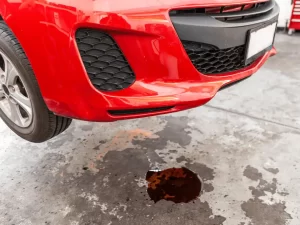
Discovering a dark brown or black puddle beneath your parked car can immediately trigger concern. Engine oil is the lifeblood of your vehicle, reducing friction between fast-moving metal components, absorbing intense combustion heat, and preventing harmful internal wear. When an oil leak develops, it not only creates an unsightly mess on your driveway but also puts your engine at serious risk of overheating and severe mechanical damage.
Serving Northern Beaches vehicle owners from Mona Vale since 1994, our local workshop has diagnosed and repaired thousands of oil leaks across all vehicle makes and models. Understanding why engine oil leaks happen and how to address them quickly protects your engine and saves you from costly repairs down the road.
Common Causes of Engine Oil Leaks
There are many different types of oils in the car, specifically the engine oil, which is used for lubrication. The oil is important in preventing as much friction and scraping between moving parts within the engine. Oil leaks are caused by numerous different reasons, but it is vital to fix the leak as soon as possible.
Why Does the Car Leak Oil?
Automotive engines rely on a complex network of rubber seals, cork gaskets, metal covers, and pressurised oil lines to keep fluid contained. Over thousands of kilometres and heat cycles, these materials degrade, harden, or crack, leading to fluid loss. Common causes include:
1. Degraded Valve Cover Gasket
Positioned at the very top of the engine, the valve cover gasket seals the join between the cylinder head and the valve cover. Made from rubber or synthetic polymers, these gaskets gradually harden and become brittle due to constant exposure to high engine temperatures, allowing oil to seep down the sides of the engine block.
2. Damaged Oil Pan or Drain Plug
Located at the lowest point of the engine, the oil pan stores your car’s oil supply. The drain plug bolt uses a crush washer to form a tight seal. If the washer is reused, over-tightened during a routine oil service, or stripped, oil will slowly drip from the plug. Additionally, hitting road debris or scraping on steep driveways can crack the oil pan itself.
3. Failing Front and Rear Main Crankshaft Seals
The crankshaft rotates at thousands of revolutions per minute, extending out both ends of the engine block. Flexible rubber seals prevent oil from leaking around the spinning shaft. When the rear main seal fails, oil leaks into the transmission bellhousing, which can contaminate manual clutch plates or drip from between the engine and gearbox.
4. Deteriorated Oil Filter Gasket
An oil filter must be installed with care. If an old rubber O-ring adheres to the engine housing during removal (known as a double-gasketed filter) or if the new filter is loose, pressurised oil will spray or leak rapidly once the engine starts.
Why Local Northern Beaches Driving Accelerates Seal and Oil Degradation
Vehicle owners across Mona Vale, Elanora, and Bilgola drive in unique coastal environments that accelerate component wear:
- Coastal Salt Air Corrosion: Atmospheric salt moisture speeds up oxidation on steel oil pans, underbody sump bolts, and exhaust heat shields, making seals more prone to failure.
- Stop-and-Start Traffic Thermal Cycles: Heavy commuting traffic along Pittwater Road or Barrenjoey Road causes frequent engine temperature fluctuations, breaking down internal rubber gaskets faster than consistent highway driving.
- Unsealed Beach Car Parks & Sand Grit: Fine sand and grit from coastal car parks stick to oily engine surfaces, creating an abrasive paste that wears out rotating shaft seals prematurely.
The Risks of Driving with an Oil Leak
Ignoring an oil leak is a risky gamble. Running your engine on low oil leads to severe mechanical consequences:
- Catastrophic Engine Friction & Overheating: Low oil pressure causes internal bearings, pistons, and camshafts to rub directly against each other, generating extreme heat and potentially seizing the engine.
- Fire Hazard: Dripping oil onto red-hot exhaust manifolds or catalytic converters can cause smoke and poses a genuine engine bay fire risk.
- Clutch Slippage: On manual vehicles, a leaking rear main seal can saturate the clutch friction plate, causing the clutch to slip under load and requiring a complete clutch replacement service.
- Environmental Hazard: Leaking oil washes off driveways into stormwater drains, polluting local waterways and coastal marine ecosystems.
Noticed Oil Under Your Vehicle? Book an Inspection Today
Don’t wait for a small leak to turn into a major engine breakdown. If you notice fluid spots on your driveway or an oil warning light on your dashboard, trust the experienced team at Peninsula Auto Clinic to inspect and repair your vehicle safely.
Call our friendly Mona Vale workshop today on 02 9999 2553or send an enquiry through our contact page to schedule your inspection.