
Your vehicle’s braking system is arguably its most critical safety feature. Whether you are navigating heavy stop-and-start traffic along Pittwater Road, descending steep coastal hills around Bilgola, or pulling into unsealed beach car parks in Mona Vale, having responsive, reliable brakes gives you total confidence behind the wheel. Over time, friction naturally wears down your brake pads, reducing stopping power and increasing braking distances.
At Peninsula Auto Clinic, our award-winning workshop has been keeping Northern Beaches motorists safe on the road since 1994. Having served the local community for over three decades, our qualified mechanics know how salty coastal air, humid weather, and hilly driving conditions can accelerate brake wear. Here are the key warning signs that indicate your brake pads need professional attention.
1. High-Pitched Squealing or Screeching Noises
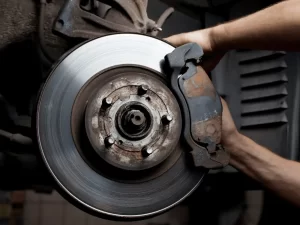
One of the earliest indicators of worn brake pads is a high-pitched squealing or metallic screeching noise when you depress the brake pedal. Most modern brake pads are engineered with built-in metal wear indicators (acoustic wear sensors). As the friction material wears thin, this small metal tab contacts the metal brake rotor, producing a distinct warning sound.
While occasional light squeaking can occur due to morning condensation or fine coastal dust settling on the rotors overnight around Bilgola or Avalon, persistent squealing every time you slow down means your pads are approaching their minimum legal thickness.
2. Harsh Metallic Grinding Noise
If you hear a deep, harsh grinding sound when stopping, your brake pads have worn past their friction material completely. The metal backing plate of the pad is now grinding directly against the cast iron brake disc rotor.
Driving with metal-on-metal contact causes severe heat buildup, damages the rotors, and significantly compromises your vehicle’s ability to stop safely in emergencies. Resolving this issue immediately requires prompt attention to avoid far costlier component replacements.
3. Vibrations or Shuddering Through the Brake Pedal
If you feel a noticeable vibration or pulsing through the brake pedal (or steering wheel) when slowing down on open stretches along Barrenjoey Road, your brake rotors may be warped or unevenly worn. Extreme heat generated by worn pads, heavy towing, or constant hill braking causes hot spots on the rotor surface, leading to uneven friction contact.
Arranging a comprehensive brake service allows technicians to measure rotor thickness, resurface minor irregularities, or fit fresh rotors alongside new friction pads.
4. Spongy or Soft Brake Pedal Feel
Your brake pedal should feel firm and responsive when pressed. If the pedal feels unusually soft, “spongy,” or presses almost all the way to the floor before engaging, there may be air or moisture in the hydraulic lines, or severe pad wear forcing the calliper pistons to extend too far.
Humidity in coastal environments can cause brake fluid to absorb atmospheric moisture over time, lowering its boiling point and creating a soft pedal feel during heavy braking. Flushing the hydraulic fluid and replacing worn pads restores firm, reassuring pedal response.
5. Vehicle Pulling to One Side When Braking
If your car drifts or pulls to the left or right when you step on the brakes, your front brake pads may be wearing unevenly. Uneven pad wear can be caused by a sticking calliper slider pin, a seized piston, or uneven hydraulic pressure across the front axle.
Uneven braking action compromises vehicle stability during emergency stops and accelerates irregular wear on your front tyres. Combining pad replacements with a general steering and suspension service ensures balanced handling on winding roads.
6. Visual Inspection: Thin Friction Material
You can often perform a quick visual inspection without removing the wheel. Look through the spokes of your alloy wheels to locate the brake calliper fitted over the shiny metal disc rotor. You should be able to see the outer brake pad pressed against the disc.
- Healthy Pad Thickness: A new brake pad typically measures between 10 mm and 12 mm of friction material.
- Replacement Required: If the friction pad looks thinner than 3 mm (about the thickness of two stacked coins), it is time to schedule a replacement.
Why Timely Brake Maintenance Matters on the Northern Beaches
Delaying brake maintenance not only jeopardises road safety but also leads to more extensive mechanical repairs. Worn pads quickly groove and ruin brake rotors, converting a straightforward pad replacement into a complete braking system overhaul.
Whether your car is due for an annual eSafety check pink slips inspection, routine logbook car servicing, or general mechanical car repairs, having our qualified mechanics inspect your braking system ensures complete peace of mind.
Book Your Brake Inspection in Mona Vale
Have you noticed squealing noises, pedal vibration, or reduced stopping power in your vehicle? Speak with the trusted local team at Peninsula Auto Clinic today. Call our Mona Vale workshop on 02 9999 2553 or book your service appointment online via our contact page.