
You have probably heard mechanics say that motorway cruising is much easier on a vehicle than daily suburban commuting. It sounds almost counterintuitive; driving hundreds of kilometres in a single stint feels like it should put extra wear on your engine, gearbox, and tyres. However, whether you are planning a weekend escape up the coast or a road trip beyond Bilgola and Palm Beach, long-distance driving actively benefits your vehicle in ways short stop-and-start trips simply cannot.
At Peninsula Auto Clinic, our family-owned Mona Vale workshop has been looking after Northern Beaches drivers for over 30 years. Having served local motorists since 1994, directors Sam & Caroline Madikian and our qualified technicians see daily how contrasting driving styles affect engine longevity. Here is a look at why long trips are genuinely healthy for your car, along with the essential prep required before setting off.
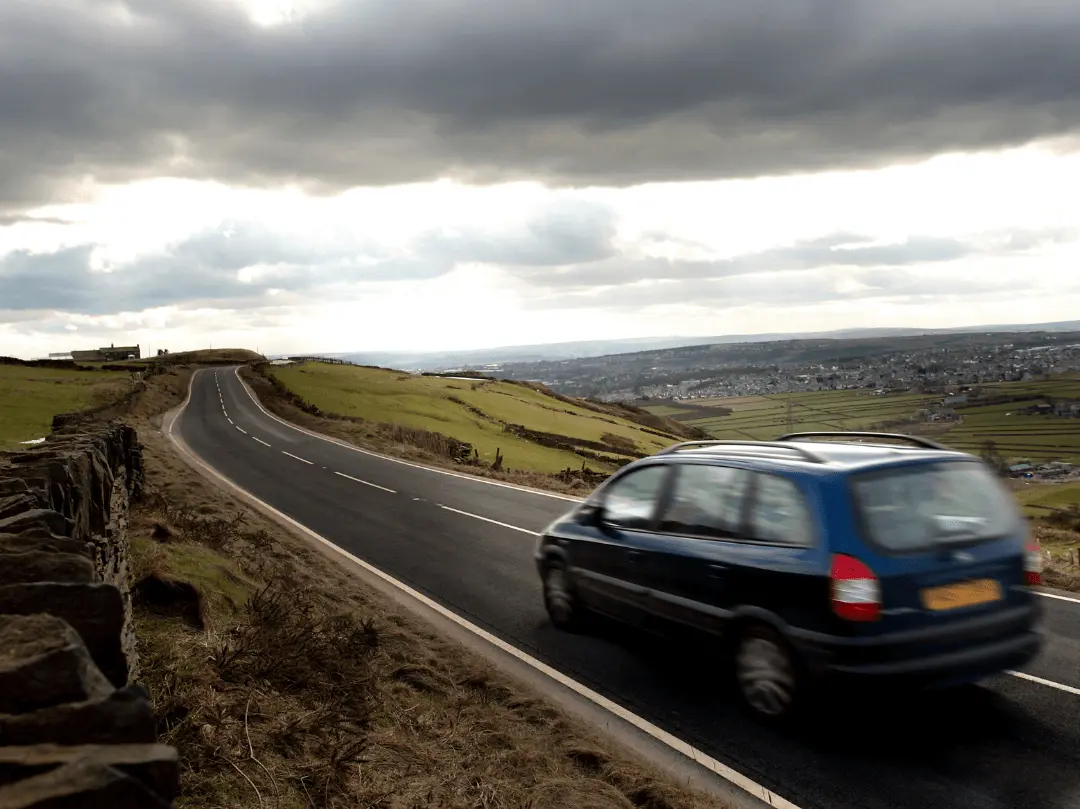
Short Trips vs. Long Drives: What Happens Under the Bonnet?
To understand why highway cruising does your engine so much good, it helps to compare it directly against short suburban hops:
| Engine Condition | Short Suburban Commutes (Under 15 Mins) | Long Highway Trips (1+ Hours) |
| Operating Temperature | Rarely reaches optimal thermal efficiency | Reaches and maintains ideal operating temp |
| Moisture & Condensation | Accumulates in oil and exhaust system | Completely evaporates, preventing sludge |
| Battery Charging | Drains power; alternator cannot fully recharge | Allows alternator to restore full state of charge |
| DPF / Carbon Build-up | Clogs diesel particulate filters and intake valves | Triggers passive regeneration to burn off soot |
| Driveline Strain | Frequent gear shifts, clutch wear, and brake heat | Smooth, constant speed with minimal gear changes |
4 Major Mechanical Benefits of Long Highway Driving
1. Burns Off Engine Moisture and Prevents Sludge Build-up
Every time an engine combusts petrol or diesel, water vapour is created as a byproduct. On short runs, this condensation trickles into the oil sump and stays there. During extended highway driving, oil temperatures rise sufficiently to boil off water contamination and raw fuel residue, keeping your engine oil clean and properly viscous.
2. Restores and Maintains Healthier Battery Charge
Starting an engine requires a massive burst of electrical current from your battery. Short trips do not give the alternator enough time to replenish that spent energy, leading to sulfation on battery plates. A long road trip allows the charging system to complete a full top-up cycle, significantly extending overall battery life. If your starter feels sluggish before hitting the highway, booking a quick car battery replacement check avoids getting stranded away from home.
3. Allows Diesel Particulate Filter (DPF) Regeneration
Modern diesel vehicles, particularly popular 4WDs, feature a Diesel Particulate Filter designed to trap harmful soot emissions. These filters require sustained high exhaust temperatures to burn off trapped carbon (known as passive regeneration). Driving strictly in stop-and-start traffic leads to blocked DPFs, limp mode, and expensive workshop bills.
4. Burns Away Carbon Deposits on Valves and Spark Plugs
Running an engine continuously at highway speeds allows combustion chambers to reach high, stable operating temperatures. This heat burns away soft carbon crust forming on spark plug tips, fuel injectors, and intake valves, maintaining sharp throttle response and optimum fuel efficiency.
Pre-Road Trip Checklist: Preparing Your Vehicle for the Open Road
While long trips are mechanically beneficial, cruising at high speeds also puts maximum continuous load on your cooling, braking, and steering systems. Before leaving Elanora or Narrabeen for an interstate drive, ensure you inspect these critical safety items:
- Check Tyre Pressures and Tread: High-speed cruising on under-inflated tyres creates extreme internal friction and heat, increasing the risk of a high-speed blowout. Inspect tread depth and adjust cold inflation pressures according to your door placard. If you notice uneven tread wear, arrange a tyre replacement and repair inspection before departure.
- Top Up Essential Fluids: Inspect engine oil, radiator coolant, brake fluid, and windscreen washer reservoir. Coastal driving means salt spray accumulates on your windscreen, making clean wiper blades and washer fluid vital.
- Test Brakes and Suspension: Heavy road trip luggage and passengers strain rear shock absorbers and springs. If your vehicle wallows over bumps or squeals when slowing down, a quick brake service guarantees complete stopping power when fully loaded.
Safety Warning: Long trips only benefit cars that are already mechanically sound. A small cooling system leak or worn fan belt that survives short local commutes will quickly turn into an expensive highway breakdown under prolonged heat and load.
Ensure Your Vehicle Is Road-Trip Ready with Peninsula Auto Clinic
Planning a long road trip or overdue for routine maintenance? Combining a pre-holiday inspection with your scheduled logbook car servicing or safety pink slips gives you total confidence on the open road. Our award-winning Mona Vale team uses advanced diagnostic tools and premium fluids to keep your vehicle running smoothly.